Hasta no hace mucho nos referíamos al grupo de teachers como «el staff», acompañados de la coordinator y el admin. Sencillo, cortito y al pie. Sin tanta emoción ni detenernos demasiado en el término, lo usábamos como referencia a un grupo de trabajo como tantos otros.
En eso llegó el año pasado con la hecatombe total, y como les contamos en un noviembre de hace tres meses que pareciera más lejano, el equipo le puso tanta onda y aguante, trabajamos tan bien y en tal armonía que la perspectiva conceptual se renovó sola, casi naturalmente, a la luz del gran trabajo realizado, del empuje y la vocación que, aunque no nos hacía falta, supimos demostrar.
Aparece el 2021, con brisas de nuevas oportunidades, y ahora el desafío era convocar y sumar profesionales a la altura de las circunstancias de nuestro trabajo y de una frase más acertada, que engloba realmente quiénes somos y cómo nos identificamos, conociendo nuestro valor.
Luego de una minuciosa búsqueda, lo logramos, y ya estamos en condiciones de anunciarlo: 𝐿𝑎𝑑𝑖𝑒𝑠 𝑎𝑛𝑑 𝑔𝑒𝑛𝑡𝑙𝑒𝑚𝑒𝑛, 𝑇ℎ𝑒 𝐷𝑟𝑒𝑎𝑚 𝑇𝑒𝑎𝑚. 😊
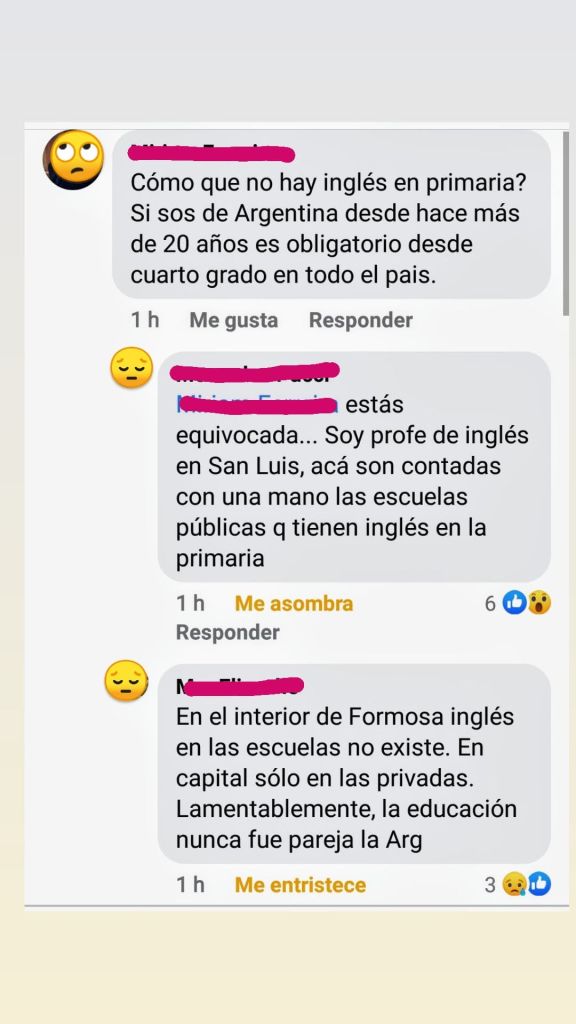
In the midst of a heated discussion on how the famous protocol at schools in the city of Buenos Aires should work, how school authorities have decided to make it work and what teachers try to anticipate it will actually be like; in the inevitable sea of ideas for blended learning and hybrid teaching, the latest apps and resources to make your classes the most appealing, opinions, fuss, catharsis, excitement, anxiety and other social media reactions, you all of a sudden find conversations like this…
Teachers of English talking in a Facebook group – February 2021
You just can’t read past comments of this sort, no matter how off-topic they are from the original debate. This has to get you thinking…
Yes, we should try to work out what we can handle, mind our own business, but… is it possible that while arguing, shouting, ranting over the new hot topic of the season we are missing the bigger picture with the reality of our whole country? Some teachers complain that protocols are no good in schools where they need to take care of more essential issues.
Let’s set a very easy example: You cannot focus your attention on how many bubbles there will be if you have been struggling to have water in your school for the past years. Yeap, there’s no water in some schools, and in some provinces there’s no English up to highschool. Basically, there are some things we are giving for granted. What else is there? And what if every time there’s room for improvement we keep on debating from the perspective of a school which is not true in every region of our homeland? Are we sharing but not really caring? What if everything remains there, in the domains of the virtual complaint until we get distracted with something else? Are we taking time to actually listen to what our less privileged colleagues have to say to see how we can help them and start to build a better education from scratch?
Please, teachers (and students)… don’t let it happen. Cool down, be the solution, get organized, speak objectively for once, get involved with what happens outside your bubble, don’t look away, be open for conversation with colleagues that is more than either complaining or accumulating guides, plans, ideas for the first two weeks of classes. Open your eyes to problems that have existed way before a pandemic forced us to change our lesson plan and an educational system that was already old. Don’t let our current talk be only one more silly debate for nothing to then be given for granted in the future.
Evidently, there is more to take into account as regards education (more specifically EFL teaching), and we need to start working to make it even for every one of our kids, for them to access the same possibilities. Let’s also deal with those problems together, demanding equal opportunities from a national viewpoint that reaches every boy and girl in our country. Let’s include them in our concerns too, once and for all. There’s lots to be done before we can say we are providing them with all the resources needed to be competitive in the world of the future that is here and now.
We all know it eventually depends on the teacher… At the end of the day, it all ends up in the professional you are, how creative, how engaging, how capable of managing a group, okay, but how trained are English teachers really? And are they mentally ready for what is to come?
Today is the day we were all waiting for (or were we?) in the city of Buenos Aires. This will be the very first district in the country to go back to in-person classes in schools, at least while the summer warmth keeps the pandemic’s numbers low. School teachers of both public and private institutions will most probably have to endure staff meetings all throughout the week to go over the famous protocol that has been thoroughly and repeatedly discussed during the time they were supposed to spend resting and trying to disconnect from the rollercoaster of 2020, and be then ready the next February 17th to receive their first students and manage according to the infrastructural reality of the institution where they teach, with all that implies.
IG and FB gurus of education, teacher trainers and all kinds of teacherpreneurs, many of whom saw their growth in social media last year by helping and assessing desperate teachers trying to cope with a quarantine, lack of ideas and resources while teaching remotely (Puzzle contributed with its very own ‘Tips and Ideas for the online class’, which will surely have its comeback soon), have spent the weekend asking their audience how they felt about what is supposed to be the happiest of moments for many of them. But not only are the circumstances different, but both teachers and education have been shaken and will never be the same, thus many replies have included, among others, the words uncertainty and fear to describe the feeling. Many, in fact, are completely overwhelmed.
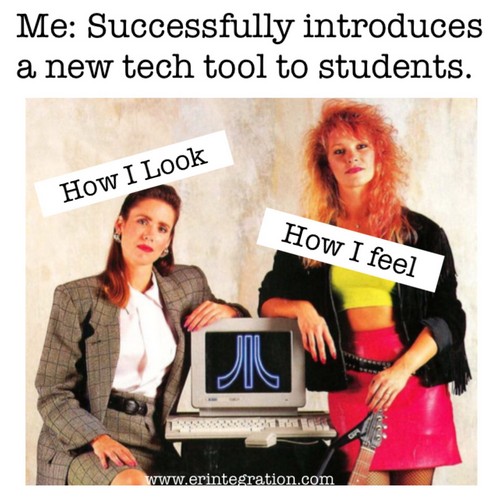
As regards how trained English teachers are, there are memes that perfectly serve their purpose when describing a big portion of EFL educators who have not only always been up to the challenge (let us remember the many congresses, seminars and webinars to catch up with what is new and access the very latest material when it comes to international examinations, new coursebooks and readers, etc. these teachers attend every single year) but have also joined the massive demand of peers teaching different subjects for whatever would make their classes updated, interesting and more engaging, most of the times paying for the training from their own pocket.
What happens from now on will surely set precedent for freelancers like many of us at the Puzzle dream team who would like to gradually go back to on-site teaching in houses or companies, but all in all, the answer is yes, teachers of English are more than ready. Nobody should ever doubt that. It would just be nice if, once in a while, someone asked them something way more essential for a good teaching performance that indeed looks to benefit parents, students, schools or institutions, but mainly, themselves: How do you feel? Is there any way I can help?